

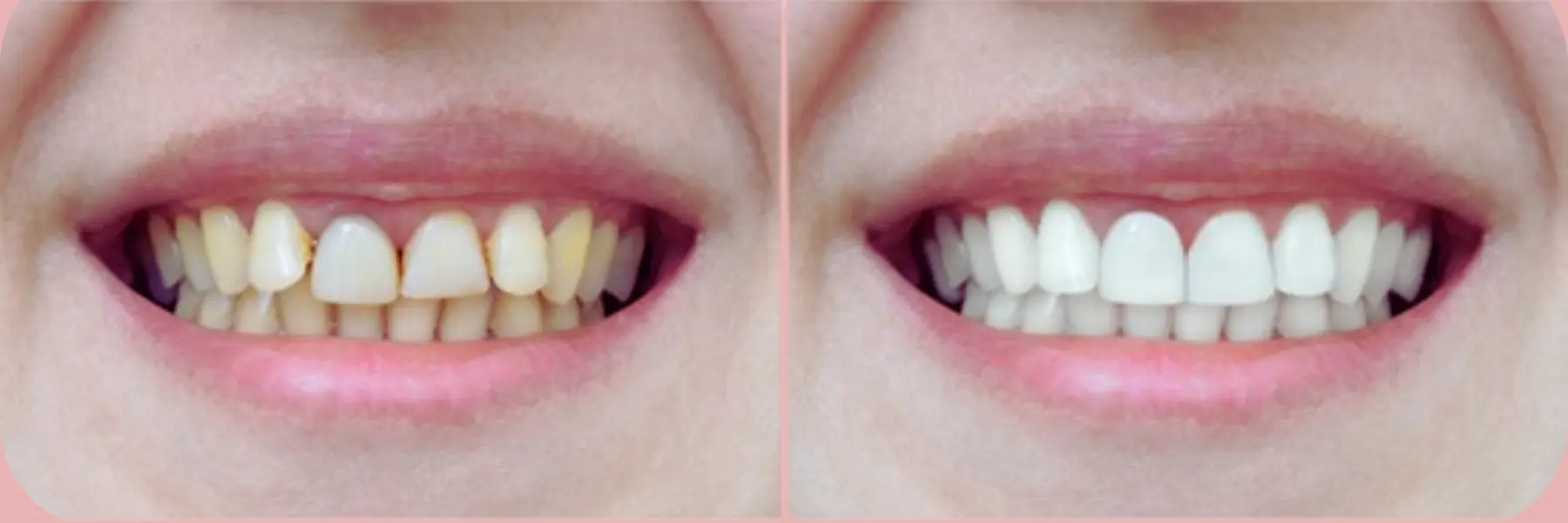
Tooth Fillings in Modesto, CA
A cavity rarely announces itself with a bang. It usually starts as a twinge when you sip something cold, a rough spot your tongue keeps finding, or a shadow on an X-ray before you feel anything at all. At Family and Kids Dental, we place tooth fillings in Modesto for children, teens and adults, so the whole family can be cared for in one familiar office.
A filling repairs the part of a tooth that decay has damaged and seals it so bacteria can’t keep working inward. Caught early, most cavities need nothing more than a quick, comfortable filling.
What a Tooth Filling Does
Tooth decay starts when bacteria feed on sugars and starches and produce acid. That acid gradually breaks down enamel, the hard outer layer of the tooth. Once enamel has a hole in it, it cannot grow back, and decay keeps spreading into the softer dentin underneath and eventually toward the nerve.
A filling stops that process. The decayed part of the tooth is removed, the area is cleaned, and the space is filled with a material that restores the tooth’s shape so you can chew normally.
Signs You May Need a Filling
Many cavities cause no symptoms until they are fairly large, which is why regular checkups matter. When signs do appear, they often include:
- Sensitivity to cold, hot or sweet foods and drinks
- A sharp twinge when biting on one spot
- A visible hole, pit or dark spot on a tooth
- White, chalky patches on enamel, an early sign of mineral loss
- Food that keeps catching in the same place
- An old filling that feels rough, cracked or loose
Children often can’t describe what they feel. For example, a nine-year-old who suddenly stops eating apples and pushes away ice water at dinner may be reacting to a cavity between two back teeth. During a routine dental exam, we check for decay visually and with X-rays when needed, often finding cavities while they are still small.
Types of Filling Materials
Dentists use several materials, and the right choice depends on the tooth, the size of the cavity, the patient’s age and other factors. Here is a general overview.
Composite (Tooth-Colored) Fillings
Composite is a resin that can be matched to your natural tooth shade. It bonds directly to the tooth, which often means less healthy structure has to be removed. Tooth-colored fillings are popular for visible teeth and are widely used on back teeth too.
Amalgam (Silver) Fillings
Amalgam is a blend of metals, including mercury bound with silver, tin and copper. It has been used for well over a century and holds up well under heavy chewing. The American Dental Association considers it safe and effective, while the FDA has suggested that certain higher-risk groups, such as pregnant women and young children, consider other materials when appropriate.
Glass Ionomer Fillings
Glass ionomer is tooth-colored and releases a small amount of fluoride over time. It is often used for small fillings near the gumline, in baby teeth, or in spots that are hard to keep dry. It is less strong than composite or amalgam, so it usually isn’t chosen for large fillings on adult molars.
What Happens During a Filling Visit
Most filling appointments are simple and follow the same pattern:
- Exam and plan. We look at the tooth, review any X-rays and explain what we see in plain language.
- Numbing. A topical gel goes on the gum first, then a local anesthetic numbs the tooth. You’ll feel pressure and vibration, but it shouldn’t hurt.
- Removing decay. The soft, decayed part of the tooth is removed and the area is cleaned.
- Placing the filling. The material is placed and, for composite, hardened with a curing light.
- Checking your bite. The filling is shaped and polished so your teeth meet normally.
A small filling is often done in one short visit.
Comfort for Kids and Nervous Patients
We explain each step before doing it and let patients signal when they need a break. For children, nitrous oxide (laughing gas) may be an option when appropriate. It is always discussed with parents first and is never a default. Learn more about how we care for younger patients on our kids dentist page.
Aftercare and Sensitivity
Numbness usually wears off within a few hours. Until then, avoid chewing on that side, and keep an eye on children so they don’t bite a numb lip or cheek.
Mild sensitivity to cold, air or biting pressure is normal and usually fades within a few days to a couple of weeks. To stay comfortable:
- Use a toothpaste made for sensitive teeth
- Skip very hot, cold or sticky foods for a day or two
- Keep brushing and flossing gently
- Call us if your bite feels high or uneven, since a quick adjustment often fixes it
Contact the office if pain gets worse instead of better or the filling feels loose. Brushing twice a day with fluoride toothpaste, cleaning between teeth daily and limiting frequent sugary snacks will help your fillings last.
When a Crown Is a Better Choice
Fillings work best for small to moderate cavities. When decay or damage takes up a large part of the tooth, the remaining walls can become thin and likely to crack. A dental crown covers the whole tooth to protect it. A crown may be suggested when:
- The cavity is very large compared to the tooth
- An old filling has failed more than once
- The tooth is cracked or has a broken cusp
- A back tooth has had a root canal
For example, an adult with a large, decades-old silver filling that has started cracking around the edges may be better served by a crown than by an even bigger filling.
What Happens If You Wait
Once a cavity has formed a hole, it won’t heal on its own. Very early mineral loss can sometimes be reversed with fluoride and better habits, and we’ll tell you if that applies. But a cavity that needs a filling usually keeps growing.
When decay reaches the nerve, the tooth can become painful or infected and may need root canal treatment or removal. A teenager in Ceres who puts off a small cavity through a busy school year, for instance, might return with a toothache that needs far more involved care.
Cost, Medi-Cal and Insurance
The cost of a cavity filling depends on the material, the cavity’s size and how many tooth surfaces are involved. Family and Kids Dental accepts Medi-Cal and most major dental insurance plans and offers payment plans. Coverage for specific materials varies, so please call the office to confirm your benefits before your visit.
Why Modesto Families Choose Family and Kids Dental
Families from Modesto, Turlock, Riverbank and nearby communities value being able to bring everyone to one place. Dr. Syed Hyder, DDS, is a general dentist with more than nine years focused on gentle care for the whole family, with particular emphasis on children.
- Kids and adults treated under one roof
- Medi-Cal, most major insurance and payment plans
- Care for English and Spanish-speaking families
- Nitrous oxide for children when appropriate
If you’re looking for a friendly family dentist in Modesto, we’d be glad to meet you.
Frequently Asked Questions
Do fillings hurt?
Most patients feel little or no pain because the tooth is numbed with a local anesthetic first, and a topical gel is usually applied before the injection to make it more comfortable. During treatment you may notice pressure, vibration or sounds from the instruments, but the tooth itself should not hurt. If you feel anything sharp, tell us and we can pause and add more numbing. Some mild soreness afterward is common and fades on its own.
How long do fillings last?
It depends on the material, the size and location of the filling, whether you grind your teeth, and how well you care for them. Many fillings last for years. Large fillings on back teeth take more force and may wear sooner. Regular checkups let us catch a worn or leaking filling before decay sneaks in underneath it, and good daily brushing and flossing help fillings stay in good shape.
Should baby teeth with cavities be filled?
Often, yes. Baby teeth help children chew, speak clearly and hold space for the adult teeth underneath, and some back baby teeth stay until around age 10 to 12. An untreated cavity can cause pain, infection and early tooth loss, which can affect how permanent teeth come in. Whether a specific tooth should be filled depends on how deep the cavity is and how soon the tooth is expected to fall out. We’ll explain the options first.
Can I eat right after a filling?
You can usually eat once the numbness wears off, typically within a few hours. Eating while numb makes it easy to bite your cheek or tongue without noticing, so it’s best to wait, especially for children. Composite fillings are hardened with a light before you leave, so they are set right away. For the first day, softer foods and chewing on the other side can help the tooth feel more comfortable.
Is it normal for a filled tooth to be sensitive?
Yes. Mild sensitivity to cold, air or biting pressure is common and usually fades over a few days to a couple of weeks. A toothpaste for sensitive teeth can help. If your bite feels uneven or the pain is getting worse instead of better, call us. A filling that sits slightly high can cause soreness, and a quick adjustment usually solves it. Ongoing or severe pain may mean the tooth needs a closer look.
Should I replace my old silver fillings?
Not necessarily. If a silver filling is intact, sealed well and not causing problems, there is often no need to remove it, and removing it also takes away some tooth structure. We may recommend replacing one if it is cracked, worn, leaking or has new decay around it. Some people also replace old fillings for appearance, and we can talk that through. We’ll check your fillings at every visit.
Schedule Tooth Fillings in Modesto
If you’ve noticed sensitivity, a rough spot or a tooth that just doesn’t feel right, don’t wait for it to get worse. We provide gentle tooth fillings in Modesto for kids and adults and explain every step before we begin. Schedule an appointment online or give us a call.
Family and Kids Dental
1207 14th St, Modesto, CA 95354
Phone: (209) 422-3176