

Dental Crowns in Modesto, CA
After a big cavity, a crack or a root canal, what is left of a tooth may be too weak for everyday chewing. At Family and Kids Dental, we place dental crowns in Modesto for adults who want to keep a natural tooth working and looking right.
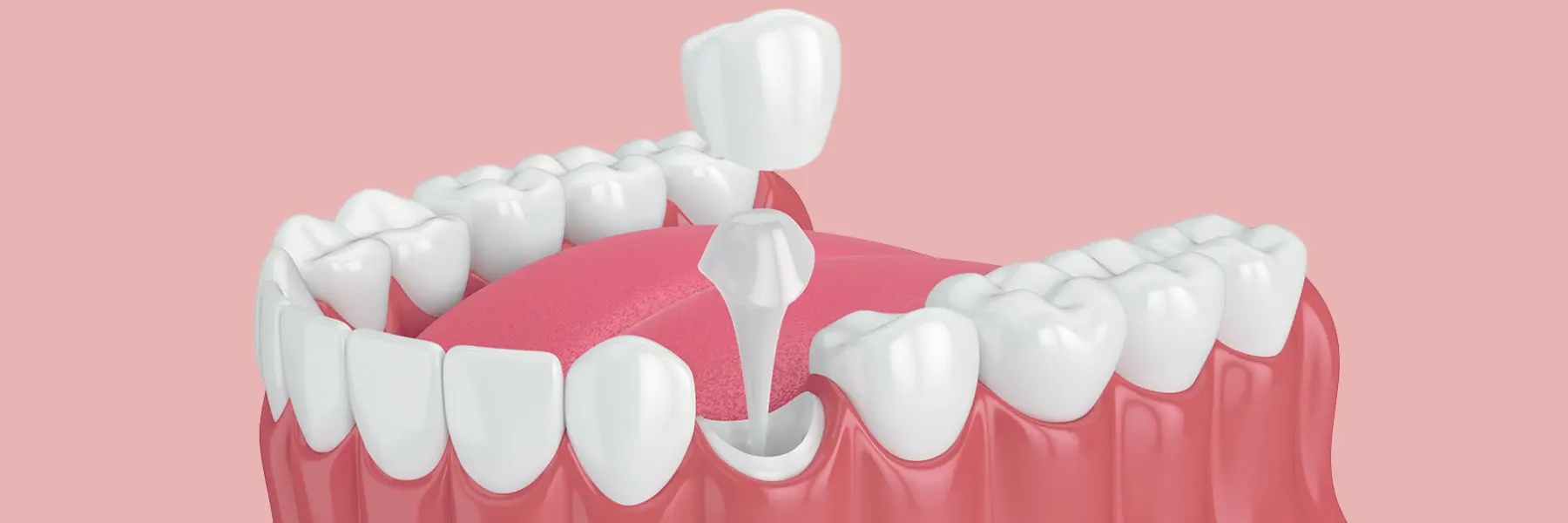
A crown is a custom cap that covers the whole visible part of a tooth. It holds weak tooth structure together, restores the tooth’s shape and lets you bite down without worrying. Here is when a crown makes sense, what to expect and how to make it last.
What Is a Dental Crown?
A dental crown is a tooth-shaped covering cemented over a prepared tooth. Like a helmet, it takes the pressure of biting and protects what is left from splitting.
A filling replaces a small missing section inside a tooth. A crown wraps around the entire tooth above the gumline, which is why it is used when a tooth has lost a lot of its original structure. Crowns can also sit on top of a dental implant, where the crown is the visible tooth and the implant acts as the root.
A well-made crown can:
- Protect weak or cracked tooth structure from breaking.
- Restore normal chewing on that side of your mouth.
- Keep your natural root in place, which helps support the jawbone.
When Do You Need a Crown?
Your dentist will look at how much healthy tooth remains, where the tooth sits and how hard you bite. Common reasons include:
- After a root canal. Back teeth that have had root canal treatment often become more brittle, and a crown helps protect them from fracture.
- A cracked or broken tooth. A crown can hold the tooth together and keep a crack from spreading.
- A large old filling. When a filling takes up most of the tooth, the walls around it can break.
- Decay too big for a filling.
- Teeth worn down by grinding or acid erosion.
- An implant that needs a visible tooth on top.
Pain when you bite, lingering cold sensitivity, a sharp edge or a loose filling are all good reasons to book an exam.
For example, a 45-year-old who feels a quick zing every time he bites into toast on one side might have a small crack in a molar with an old silver filling. Catching it early may mean a crown can save the tooth before the crack reaches the root.
Crown Materials in General
Crowns come in several materials. The right choice depends on the tooth, your bite and your goals, and your dentist will talk through what fits your situation.
- Porcelain or ceramic. Known for looking very natural, so they are a popular choice for front teeth and teeth that show when you smile.
- Zirconia. A strong ceramic often used for back teeth that take heavy chewing forces. Newer types can also look quite natural.
- Metal. Gold alloy and other metal crowns are very durable and need less tooth removed. Because of the color, they are usually considered for back teeth.
- Porcelain fused to metal (PFM). A metal inner layer covered with porcelain, combining strength with a tooth-colored look. A thin dark line can sometimes show near the gum over time.
What Happens During the Crown Process
Most traditional crowns take two visits.
Visit one: exam and preparation
- Exam and X-rays. Your dentist checks the tooth, the nerve and the bone around it. Deep decay or infection is treated first.
- Numbing. Local anesthetic keeps you comfortable.
- Shaping. A thin outer layer is removed to make room for the crown. If a lot of tooth is missing, a core buildup may be placed first.
- Impressions. An impression or scan is taken so the lab can make a crown that fits your bite.
- Temporary crown. A temporary is cemented on to protect the tooth while the permanent one is made.
Visit two: placing the permanent crown
The temporary comes off, and your dentist tries in the final crown, checks the fit, color and bite, and makes small adjustments. Once everything feels right, the crown is cemented in place.
Living with a temporary crown
Temporaries are not as strong as the final crown. Between visits, chew on the other side, skip sticky foods like caramel and gum, slide floss out to the side instead of pulling it up, and call the office if the temporary comes off.
Comfort and nerves
If you feel nervous, tell us. We explain each step, check in often and give you breaks. Mild soreness for a few days afterward is common.
Crown Care and Lifespan
A crown cannot get a cavity, but the tooth underneath can, especially along the edge where the crown meets the gum.
- Brush twice a day with fluoride toothpaste and floss daily around the crown.
- Avoid chewing ice, pens or hard candy.
- Ask about a night guard if you grind your teeth.
- Keep up with routine exams so small problems are caught early.
How long a crown lasts varies. Many last well over a decade with good care, and the material, your bite, grinding habits and cleaning all play a part. No crown is permanent, so it may need replacing someday.
For example, a 60-year-old woman who wears a night guard and gets regular cleanings may keep the same molar crown for many years, while someone who chews ice every day may chip a crown sooner.
Crown vs Filling vs Onlay
In general terms:
- Filling. A tooth filling suits small to medium cavities, removes less tooth and is usually done in one visit.
- Onlay. A middle option that covers one or more cusps (the raised points on a back tooth) without wrapping the whole tooth, saving more natural structure.
- Crown. Full coverage, usually best when a tooth is cracked, very weak, has had a root canal or has lost a lot of structure.
What if you wait? A weak tooth can break suddenly, sometimes below the gumline. At that point a crown may no longer be possible and the tooth may need to come out. If a tooth cannot be saved, options like an implant restoration or a bridge can be discussed.
Cost, Medi-Cal and Insurance
We do not list prices online because every case is different. After your exam, we explain options and estimated costs before any work begins.
Family and Kids Dental accepts Medi-Cal and most major dental insurance plans. Many plans cover part of a crown when it is needed for dental health, and Medi-Cal Dental may cover crowns for eligible adults who meet its criteria. Rules change, so please confirm your coverage with our office. We also offer payment plans to help spread out the cost.
Why Adults in Modesto Choose Family and Kids Dental
Many people want a family dentist in Modesto who can care for the whole household. You can expect:
- Care from Dr. Syed Hyder, DDS, a general dentist with more than nine years of gentle, whole-family experience.
- Kids and adults treated under one roof.
- Medi-Cal and most major dental insurance accepted, plus payment plans.
- Care for English and Spanish-speaking families.
- A location at 1207 14th St, serving Modesto, Ceres, Turlock, Riverbank and nearby communities.
If a case needs a specialist, we will explain your options clearly and refer you.
Frequently Asked Questions
Does getting a crown hurt?
The tooth is numbed with local anesthetic before it is shaped, so most patients feel pressure and vibration rather than pain. Once the numbness wears off, your gums may be a little sore and the tooth may feel sensitive to hot or cold for a few days. If pain gets worse, lasts more than a week or your bite feels high, call the office so we can check the tooth and adjust the crown.
How many visits does a crown take?
A traditional crown usually takes two visits. At the first, the tooth is examined and shaped, an impression is taken and you leave with a temporary crown. A dental lab then makes the permanent crown, which typically takes a couple of weeks. At the second visit, the final crown is checked for fit, bite and color before it is cemented.
Do I always need a crown after a root canal?
Not always, but often. Molars and premolars take heavy chewing forces, and after a root canal they can become more brittle and prone to cracking, so a crown is commonly recommended to protect them. Front teeth with a small access opening and plenty of healthy structure can sometimes be restored with a filling instead. Your dentist will look at how much tooth is left and where it sits before recommending what fits best.
Which crown material is best?
There is no single best material for everyone. Porcelain and ceramic tend to look the most natural, so they are often chosen for front teeth. Zirconia is strong and works well for back teeth. Metal is very durable and needs less tooth removed. Porcelain fused to metal blends strength with a tooth-colored surface. The right choice depends on the tooth, your bite, grinding habits, budget and coverage, and your dentist will go over the pros and cons with you.
How long do dental crowns last?
It varies. Many crowns last well over ten years, and some last much longer with good care. Lifespan depends on the material, the tooth’s location, how hard you bite, whether you grind and how well you clean along the crown’s edge. Decay can still form on the tooth underneath, which is why regular checkups matter. A crown may eventually need replacing, but good habits give it the best chance of a long life.
Can a crown come loose or fall off?
It can happen, though it is not common. Decay under the crown, very sticky food or a weakened cement seal can loosen it over time. If your crown comes off, keep it in a clean container, avoid chewing on that side and call the office as soon as you can. Often the crown can be cleaned and recemented if the tooth underneath is healthy.
Schedule a Visit for Dental Crowns in Modesto
If you have a cracked tooth, a large old filling or a tooth that recently had a root canal, it is a good time to ask about dental crowns in Modesto. We will examine the tooth, explain whether a crown, onlay or filling makes the most sense and answer your questions about coverage.
Family and Kids Dental
1207 14th St, Modesto, CA 95354
Phone: (209) 422-3176
Schedule an appointment online or give us a call.